How to create an active tourism company: Requirements and key steps
Active tourism is booming. More and more people are seeking outdoor experiences that combine adventure, nature, and sport. If you're passionate about this sector and are considering starting your own active tourism business, you've probably asked yourself questions like: Where do I begin? What legal requirements do I need to meet? How do I manage bookings and clients?
Launching this type of business not only involves having great ideas and knowledge about activities but also requires solid planning and efficient management. In this article, we'll explain how to do it step by step.
Everything you need to know to create your active tourism company.
1. Define your value proposition
Before starting with legal procedures, the first step is to have a clear value proposition for your company. What kind of experiences will you offer? What audience are you targeting? What will be your differentiator from the competition?
At this point, it's crucial to research the market, analyze demand in the area where you'll operate, and define the type of activities that best fit your profile and resources. From kayak routes to bike tours or wilderness survival experiences, the key is to design attractive and safe activities.
2. Procedures and legal requirements
Once your business idea is clear, it's time to formalize it. In Spain, active tourism companies must meet certain requirements:
- Legal constitution: You can register as a freelancer or create a company (S.L., S.L.U., etc.), depending on the size and ambition of the project.
- Licenses and permits: Each autonomous community specifically regulates active tourism, so it's essential to consult the regulations for your region.
- Mandatory insurance: You must have public liability insurance and accident insurance to cover potential unforeseen events.
- Safety regulations: Equipment and facilities must comply with established safety standards.
Consulting with a specialist manager in active tourism will help you streamline these procedures and ensure compliance with all regulations.
3. Infrastructure and equipment
Depending on the activities you offer, you'll need to invest in appropriate equipment. From bicycles and wetsuits to communication systems and transport, everything must be in good condition and comply with safety regulations.
Also, consider whether you'll need a physical location to store materials or receive clients, or if you'll operate 100% online and on-site.
4. Business management and organization
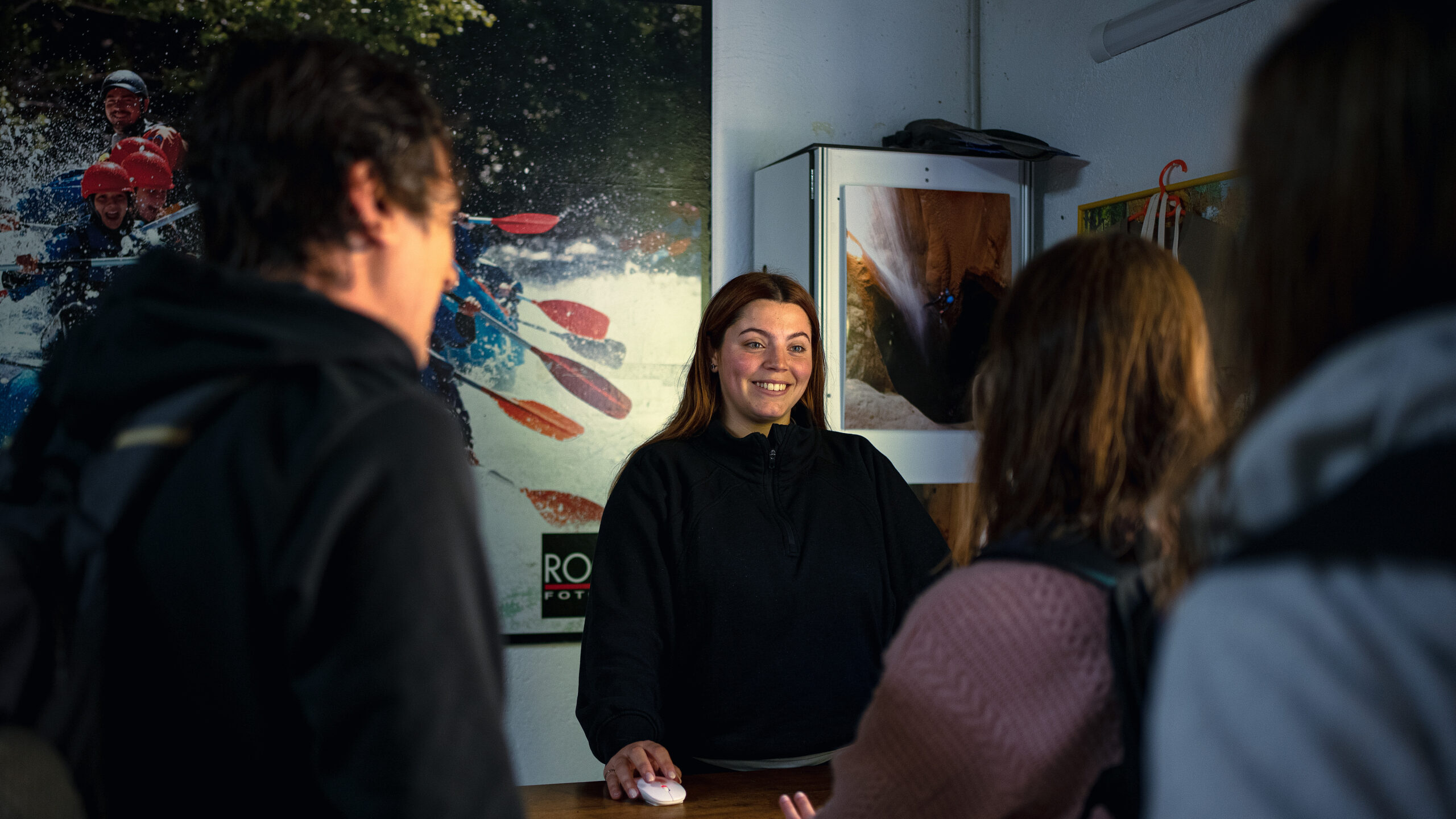
This is where many active tourism companies find their biggest challenge. Managing bookings, controlling payments, coordinating instructors, and ensuring everything is in order can be a challenge when done with spreadsheets, calls, and WhatsApps.
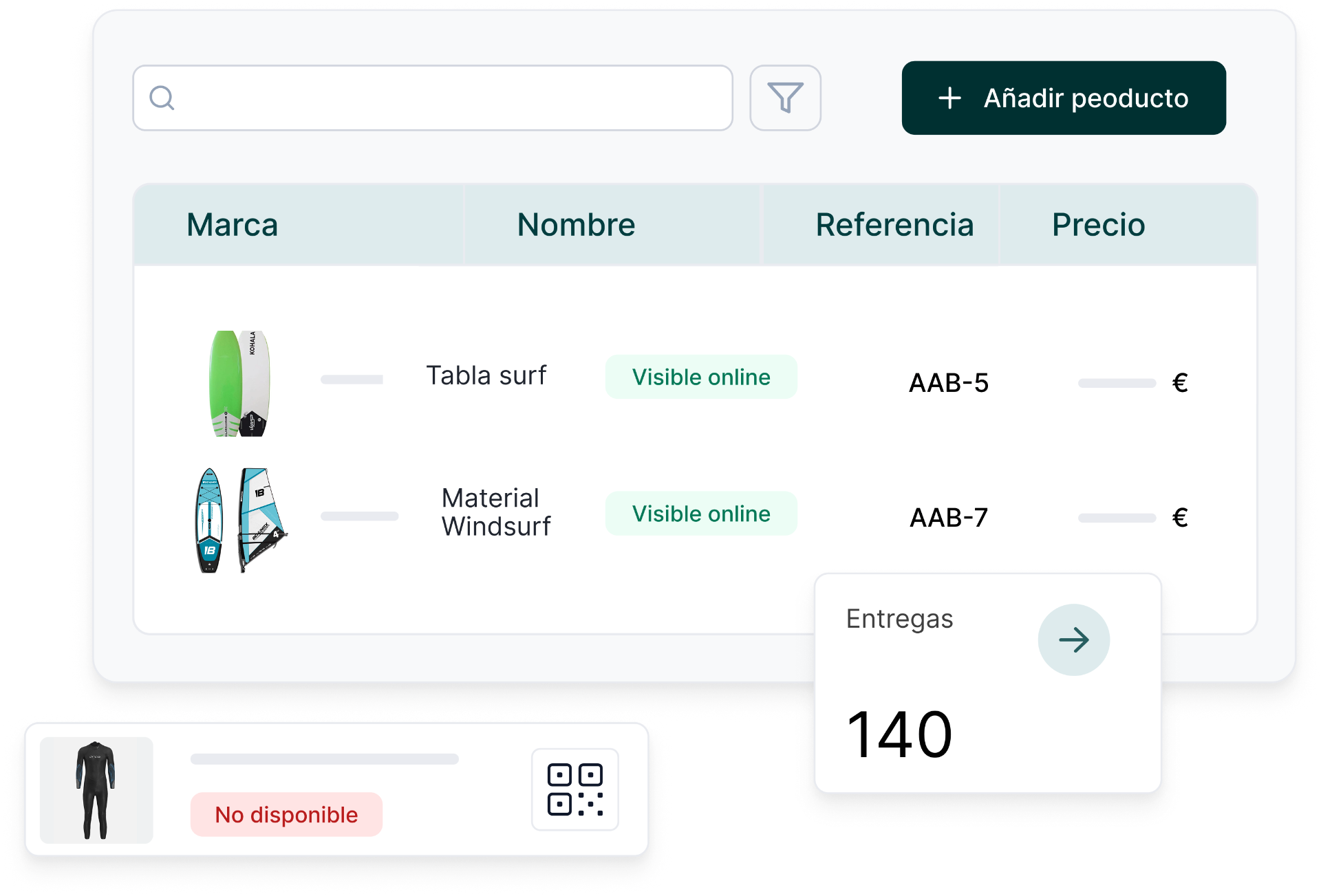
The good news is that there are tools designed to facilitate this management. With software like Lueira, you can manage your entire company from one place:
- Online booking management without losing messages between emails and WhatsApps.
- Clear planning with shared calendars for instructors and clients.
- Digital time tracking to easily record your team's working hours.
- Integrated payments and invoicing, without relying on multiple platforms.
Implementing a management solution from the start will help you save time and avoid administrative chaos as your business grows.
5. Customer acquisition and visibility
Having a good idea and being well-organized is only half the battle. Now you need to attract customers. This is where marketing plays a fundamental role:
- Optimized website: A website with clear information about your activities and an online booking system will facilitate customer conversion.With Lueira's online store, you can manage bookings automatically, synchronizing instructor availability and simplifying the purchase process.
- SEO positioning: It's important to work on SEO so that customers find you when they search for activities in your area. Publishing relevant content on a blog, optimizing keywords, and improving website structure will help gain visibility in search engines.
- Online advertising (Ads): Evaluating whether it's worth investing in Google Ads or social media campaigns can be a key strategy to quickly attract customers.
- Database and email marketing: Building a customer database will allow you to foster loyalty and promote your business with email marketing campaigns, offering discounts, announcing new openings, and staying in touch with your audience.
- User experience: The website and communication channels must be clear and attractive, making it easy for users to understand what services you offer and how to book.
- Social media and visual content: Publishing photos and videos of real experiences will help build trust and attract more bookings.
- Collaborations and alliances: Connecting with hotels, travel agencies, and local operators can be key to acquiring customers from the start.
6. Funding and growth
Starting an active tourism company requires an initial investment in equipment, marketing, and management.Evaluate financing options such as entrepreneur loans, local aid, or specific grants for the tourism sector.
As your company grows, analyze new opportunities to diversify your offerings and optimize management with tools that allow you to scale without losing control.
Ready to launch your company?
Creating an active tourism company is an adventure in itself. With proper planning and the right tools, you can turn your passion into a profitable and sustainable business.